1. Neon Makeup

Neon makeup does not have to mean festival glitter and full-face paint. The Epic Wear Waterproof Eyeliner Stick comes in soft lavender, bright turquoise, and shimmery coral, which is how I started: one thin line of color, nothing else changed. The first time I tried it, I used a neon green liner to a Tuesday morning meeting, paired with the same neutral shadow and mascara I always wear. Nobody flinched. One colleague asked if I had done something different with my hair. The liner lasted the full day, and the creamy formula stayed put without smudging onto my lid by lunch. That single accent was enough to make the look feel intentional rather like I had raided a costume bin. One neon line against your usual face is the move that makes it wearable, not the shade itself. The waterproof wear claims run up to 36 hours, though I have only tested it through one long day and an after-work dinner. If you are nervous, start with the soft lavender; it reads almost like a gray until the light catches it.

【𝐂𝐎𝐋𝐎𝐑𝐅𝐔𝐋 𝐍𝐄𝐎𝐍 𝐋𝐈𝐐𝐔𝐈𝐃 𝐄𝐘𝐄𝐋𝐈𝐍𝐄𝐑】DELISOUL 8 colors neon eyeliner-Neon Green is an intensely pigmented eyeliner that allows you to create fine and bold lines effortlessly, glow under black/UV lights!
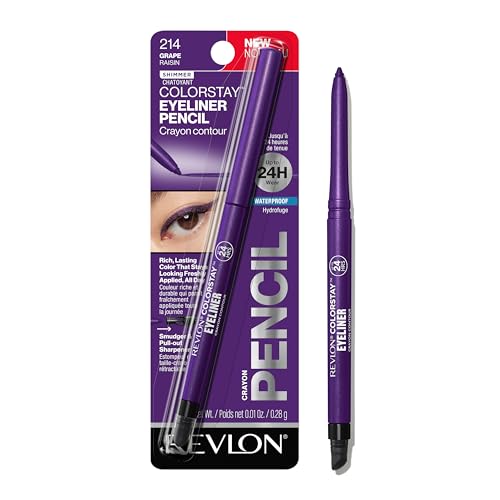
LASTING EYELINER: Rich color looks freshly applied all day long; transfer-proof, waterproof, smudge-proof and fade-proof

36 Hour Wear: NYX Professional Makeup Epic Wear Liner Sticks are powerfully pigmented eyeliner pencils that deliver 36 hours of waterproof, smudge proof, and fade proof eyeliner color; It's perfect for waterproof all day and night graphic eyeliner looks
2. Colored Eyeliner

Black liner had been my default for fifteen years until I noticed it was flattening my eyes rather than opening them. The shift to colored liner redraws the shape entirely: a cobalt wing lifts the outer corner upward, while a hot pink line along the lower lash line makes the white of the eye look sharper and bigger.
NYX Vivid Brights Colored Liquid Eyeliner offers nine shades running from soft pastels to saturated brights, and the hot pink called "Don’t Pink Twice" is the one I reach for most. After six months of daily use, the colors I actually finish are the pink, a matte teal, and a lavender that reads as neutral from a distance but catches light in photographs. The formula glides without tugging, which matters more than I expected: a skipping liner breaks the line and forces a thicker redraw, and bright shades show every waver.
What surprised me was which colors flattered. The teal made my hazel eyes look almost amber; the orange I bought for summer made me look tired. Six months in, I still keep black for formal occasions, but colored liner has become the everyday choice that gets commented on.

Master Any Make Up Look: Attention - class is in session. Now, everyone can master their lines with our Master Precise Liquid Eyeliner. This Maybelline eyeliner makes it super simple for everyone to get the look they want. All skills. All looks. All day

❤【 Precision Offering and Lasting Wear 】Our products have a intense brush tip, allows for sharp and clean lines with every application, and thought about the needs of young girls and women, it is designed to last through long hours without fading or flaking. The liquid eyeliner pen tip has smooth lines, Ultra-fine, Speed Dry, provides 18 kinds of fashional colors. They can be used for various looks, from subtle to dramatic, depending on your imagination and desires.

❤️【4 Colors Colorful Eyeliner Set】4 different colors eyeliner pen including Black White Blue and Brown. Blue is perfect for adding a pop of color to your eyes without being overwhelmingly bold. Brown is perfect for those who prefer a softer, more natural look. Black can offer classic, fail-safe boldness we all crave. White is not merely a brightening tool to use on the waterline for bigger, brighter eyes; it can also be used as a base for eyeshadows to make colors pop or to create artistic, avant-garde looks.
3. Rainbow Makeup

A full rainbow eye looks effortless on a fifteen-year-old TikTok creator and bruised on a thirty-four-year-old with my coloring. The first time I tried it, I laid down red, orange, yellow, green, blue, violet in spectral order across the lid and ended up with something that looked like I’d walked into a door. The problem was placement, not pigment. Packing every color onto one lid with no breathing room makes them muddy where they meet, and warm reds bleeding directly into cool blues turns ashy on most skin tones.
The second attempt, I split the spectrum. Warm colors stayed on the inner lid and crease; cool colors went to the outer corner and lower lash line, with a clean gap of skin-toned shadow between them so each section read distinct. Deliberate clashing works better than forced blending when you’re working with this many competing hues. I also skipped the green entirely, which sounds like cheating but kept the look from tipping into costume territory.
Building toward a full rainbow starts smaller: two-color pairings first, then three, letting your eye learn how each shade behaves against your particular undertone before you commit to the full arc.

Glitter UV Neon Eyeliner Pencil - This single-color Glitter Neon eyeliner pen features high color saturation, delivering vibrant and vivid fluorescent effects with just one stroke. The smooth pen tip ensures even and consistent application, allowing for precise and delicate lines. The Neon effect is long-lasting and fade-resistant, maintaining its vibrant color throughout the day. Available in six colors: yellow, pink, blue, orange, green, and purple,select the color you want to match.

Color UV Neon Gel Eyeliner - 6 Colors UV Neon Gel Eyeliner, to design different charms you more Charming. The surprising eye makeup effects is fashionable and advanced, highly pigmentation provides bright, intense colors which will look gorgeous on any surface! Perfect for clubbing, Halloween, rave makeup, and festival face art.

4. Pastel Makeup
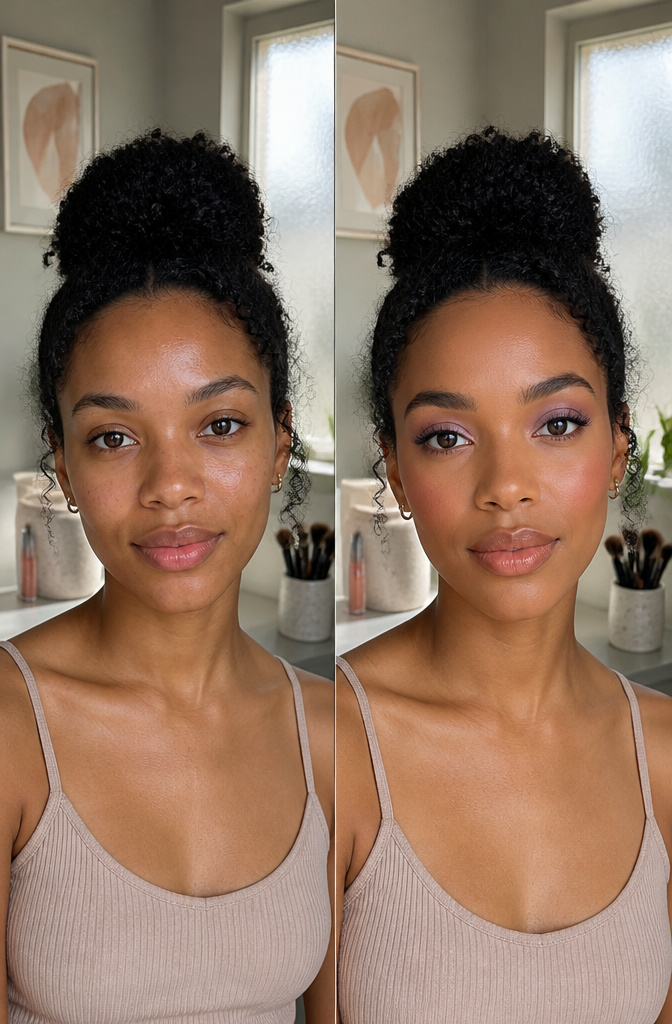
Pastels sit on skin instead of sinking into it the way saturated pigment does, so the base underneath matters more than the color itself. On deeper skin tones, that chalky cast is the whole problem; the same lavender that reads soft and dreamy on fair skin can look like dry correction fluid if the primer underneath is too light or too matte. I learned this the expensive way. The first pastel I bought was a mint green single shadow, then a baby pink blush, then a pale lemon highlighter. Three purchases, three chalky failures on my medium-deep skin. What actually works now is a peach-toned color corrector or a sheer liquid bronzer tapped on eyelids before any pastel goes down; it gives the pigment something warm to grab onto. The three shades I reach for are a cool lilac that doubles as brow highlight, a muted coral pastel that functions as blush on me, and a sage green liner that stays in the waterline without turning ashy. A warm, slightly dewy base is non-negotiable for pastels on deeper skin, and the product that solved it for me was a tinted eye primer with a peach undertone, not an eyeshadow at all.

EASY TO COLOR: The tip of the eyeliner pen is flexible and easy to use. The continuous flow eyeliner pen provides smooth and even lines, which can have a delicate, natural-appearances according to your needs

PURPLE INGREDIENTS / INGRÉDIENTS: METHYL TRIMETHICONE, POLYETHYLENE, TRIMETHYLSILOXYSILICATE, OCTYLDODECANOL, OZOKERITE, SYNTHETIC FLUORPHLOGOPITE, MICA, ACRYLATES/DIMETHICONE COPOLYMER, DISTEARDIMONIUM HECTORITE, PROPYLENE CARBONATE, PENTAERYTHRITYL TETRA-DI-t-BUTYL HYDROXYHYDROCINNAMATE, TITANIUM DIOXIDE (CI 77891), MANGANESE VIOLET (CI 77742), CARMINE (CI 75470).

Epic Inky Color In A Click: NEW Epic Inky Stix, waterproof cream mechanical gel eyeliner that delivers 1-swipe fluid color that lasts up to 24HR
5. Bright Lip Products
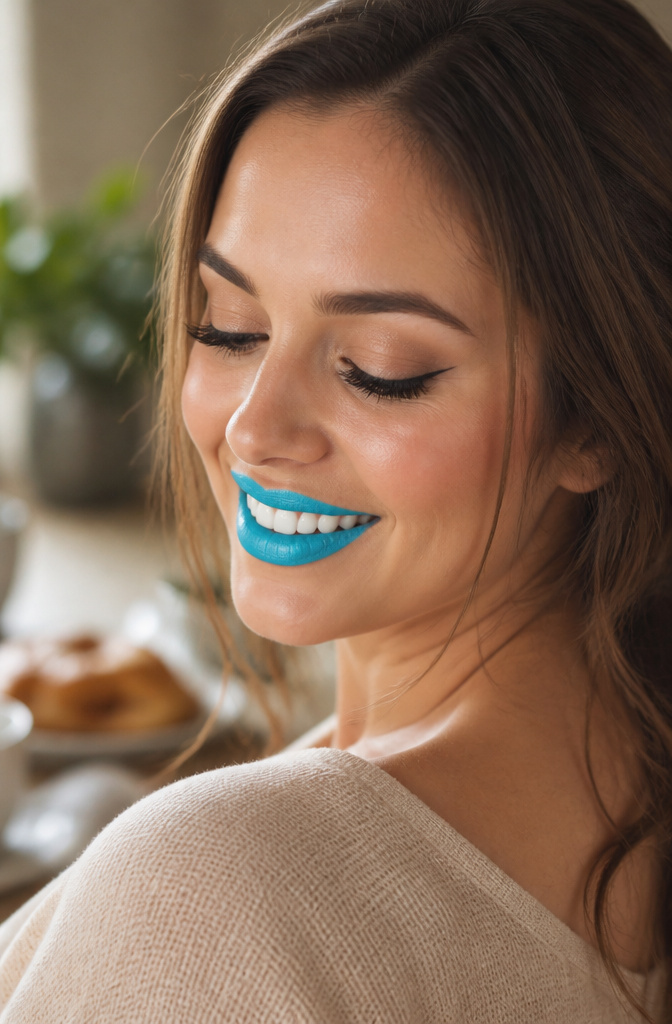
A bright lip asks for less precision than a bright eye, which is exactly why I reach for it on mornings when the coffee hasn’t kicked in yet. The trade is commitment: one smudge across your cheek and the whole look reads as a mistake, whereas a crooked cyan liner just looks intentional now. A matte liquid formula stays put through two cups and a croissant; a creamy bullet lipstick will transfer onto your mask by the time you reach the subway. I learned that sequence the hard way, reapplying in a CVS parking lot before a meeting. Glosses last maybe an hour before they migrate to your chin, but they photograph better if you’re only wearing the look for the length of a dinner. For all-day wear, the drier formulas win, though they punish you with that tight feeling by three o’clock. I keep a tinted balm in my bag for the rescue layer, not the same shade, just something in the same family so the fade looks graded rather than patchy.
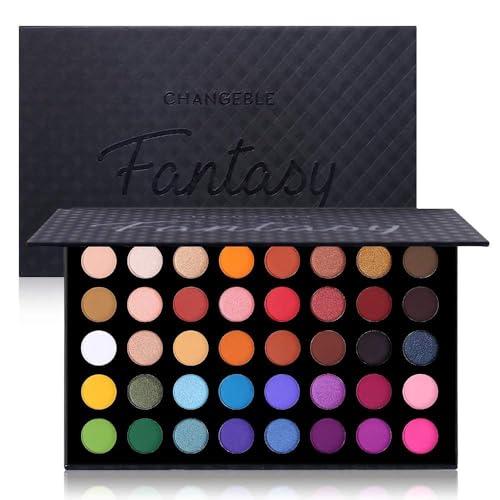
A magically iridescent eyeshadow palette contains professional cool and warm-toned pigments and shades. With different textures: soft smooth mattes, shimmery pressed pearl and dazzling metallic glitters. This richly toned palette features versatile shades that can be blended and layered to create endless amounts of looks.

UCANBE 40 Color Eyeshadow Palette have all the colors you like. Featuring 18 matte and 22 shimmer shades to create unique and beautiful eye makeup looks from natural looking makeup to smokey eyes looks in one swipe.
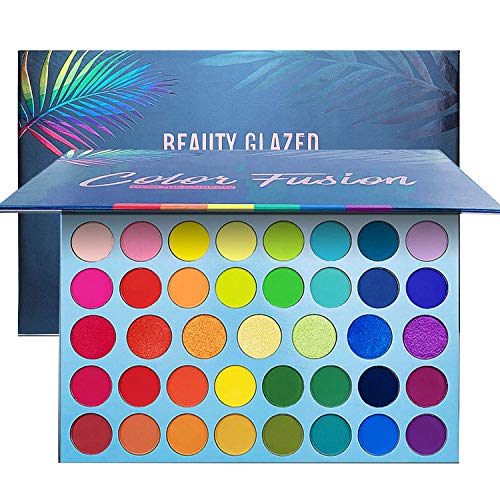
✦39 SHADES WITH RAINBOW COLORS: Create endless looks with 32 Rainbow +7 metallic, cool and stunning pigmented vibrant colors. Perfect for day and night,festivals,party,club,appointment,wedding,Christmas,Halloween makeups.
6. Colorful Eyeshadow Palettes
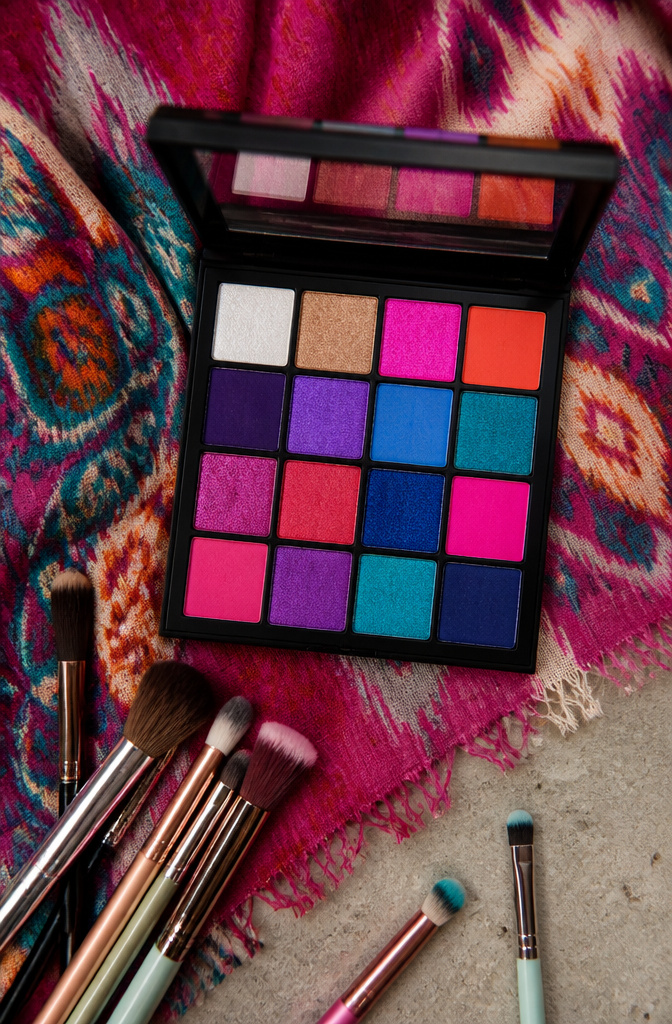
A 16-pan palette with true brights beats a 40-pan one with three usable shades and a lot of filler. That is the test I run first: swatch the neons dry, then wet, then over a white base, and see which ones actually leave pigment rather than just glitter. The NYX Ultimate Shadow Palette in I Know That’s Bright passes this with all sixteen shades, from the neon pinks through the electric blues. The mattes are thin but buildable; the shimmers flake if you pack them, so a glitter glue or even a dab of concealer underneath changes the result completely.
The Urban Decay Wired Palette runs pink, red, orange, green, and electric blue in a smaller range, and the payoff is denser per swipe. What stops me reaching for it daily is the redundancy: two of the pinks read near-identical on my lid once blended, and the red shifts berry rather than staying true. For a single statement eye where I want one loud shade and nothing else, it works. For building combinations, I run out of distinct steps too fast.
At $45, the Kylie Cosmetics Valentine Palette sits at a different price point, and the first time I diffused the light lavender all over the lid, the color stayed tame enough that no one commented. By evening, though, the shimmery fallout had scattered across my cheekbones, which told me the formula favors drama over adhesion. I hit pan on the NYX first, specifically the orange matte and the electric blue shimmer, because those were the shades I reached for when I needed a bright that would not turn pastel by noon.

[RAINBOW EYELINER SET] 8 colors rainbow liquid eyeliner pencils offer vibrant eye makeup definition. This eye liner kit is matte finish and luminous glowing effect , easy to create colorfully daily look and glam night looks. These glow pen are a great way for you to have fun and be festive and you can do your own art graphic works! SHAKE IT WELL BEFORE USE!
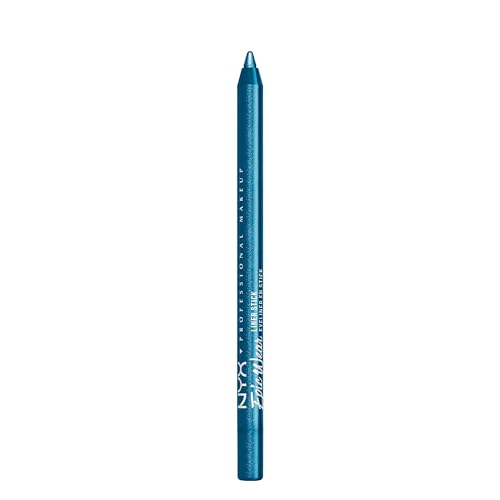
36 Hour Wear: NYX Professional Makeup Epic Wear Liner Sticks are powerfully pigmented eyeliner pencils that deliver 36 hours of waterproof, smudge proof, and fade proof eyeliner color; It's perfect for waterproof all day and night graphic eyeliner looks
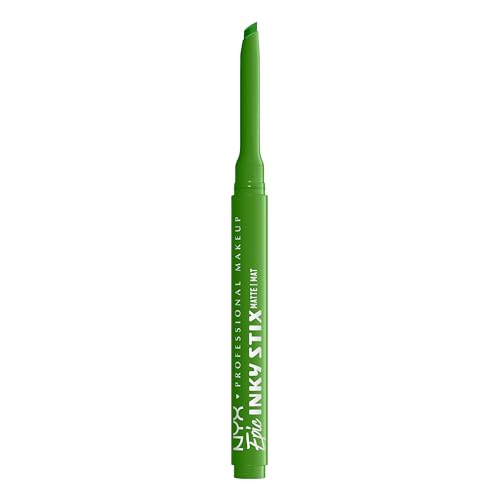
Epic Inky Color In A Click: NEW Epic Inky Stix, waterproof cream mechanical gel eyeliner that delivers 1-swipe fluid color that lasts up to 24HR
7. Bold Blush Options
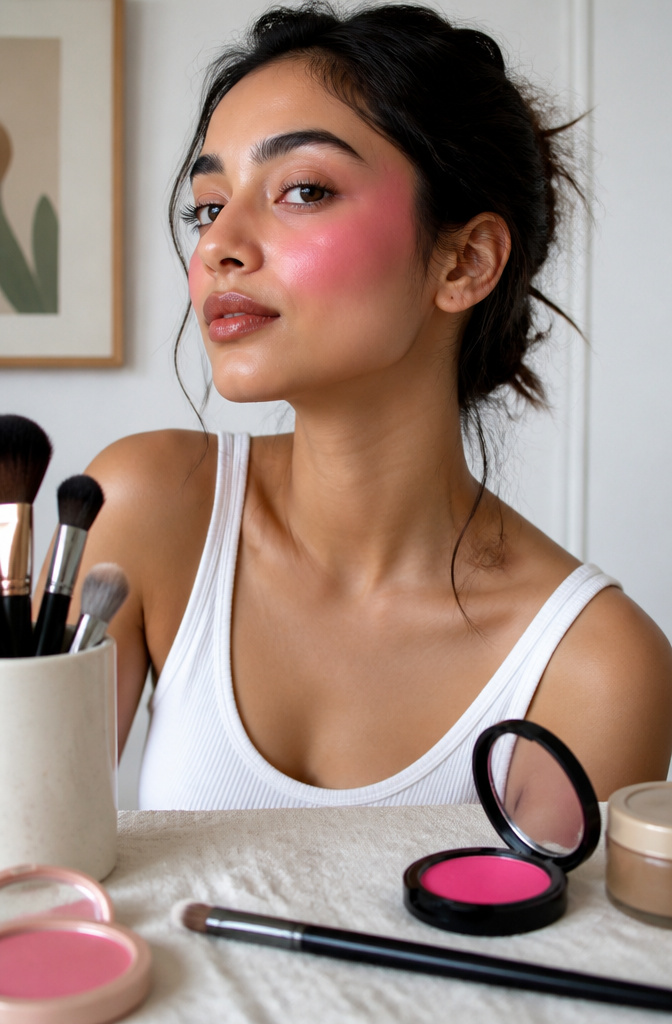
Bright blush was the last thing I expected to love. In my twenties I learned to contour with neutrals, sweeping muted brown along the hollow of the cheek to sculpt something sharper. Color sat lower, closer to the jaw, and the goal was shadow, not statement. The Buttermelt Blush line rewrote that habit entirely: twelve shades, each high-pigment and built to hold for up to twelve hours without fading. Placement moved up for me, right onto the cheekbone itself, where the light catches and the color reads as flush rather than stripe.
The shade that convinced me was the one I bought certain it would stay in the drawer. Electric fuschia, labeled All The Butta, looked like costume makeup in the pan. I wear it twice a week now, usually with nothing else loud on the face. The intensity is the point. A bright blush worn high changes the architecture of a face the way contour never did; it lifts rather than carves.
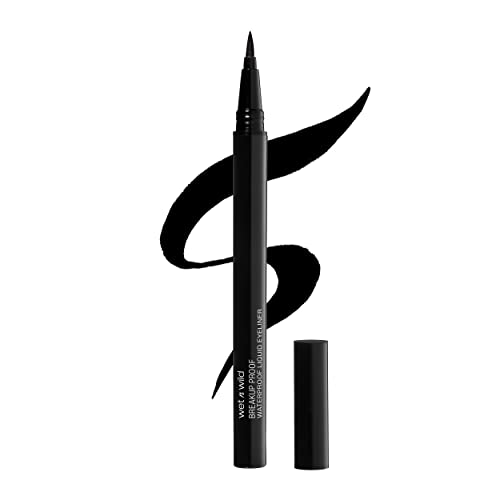
Liquid Eyeliner: Our ultimate waterproof liquid liner provides smudge proof, flake proof, cry proof staying power. The ultra fine brush tip lets you create any look, from thin delicate lines to bold cat eyes

Highly pigmented, jet black color glides on smoothly

Liquid Eyeliner: perfect long lasting cat eye look with this waterproof, smudge proof liquid liner
What I Use to Apply It
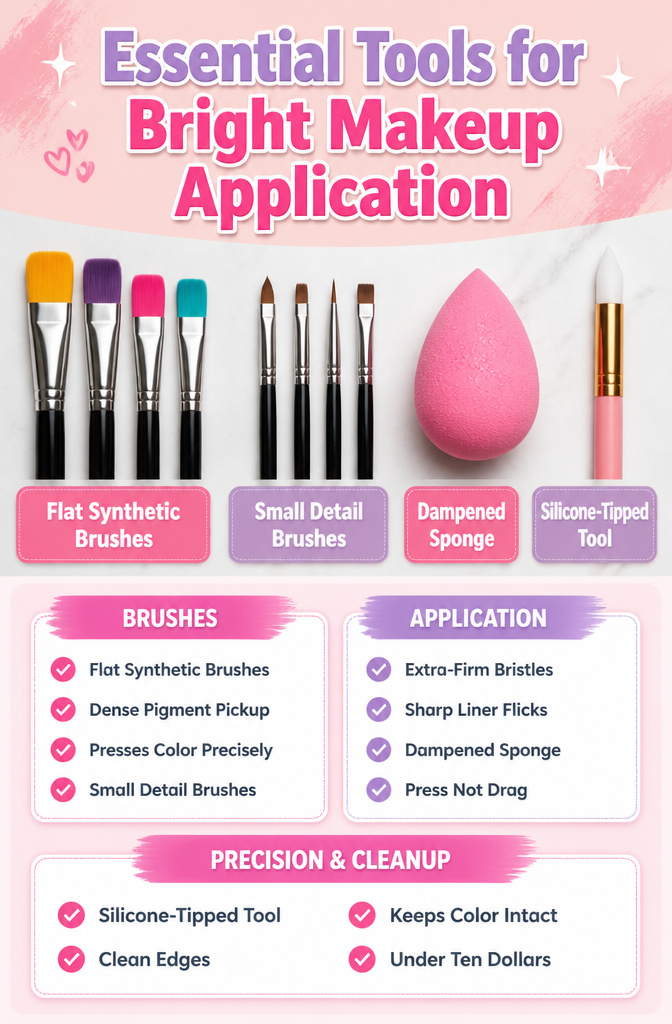
Flat synthetic brushes do the heavy lifting for bright colored makeup because the bristles grab dense pigment and press it exactly where you want it. I bought a set of these specifically for neons after watching packed shadow slide right off my usual fluffy naturals. The small detail brushes came next; I already owned a couple for brow work, but the ones with the extra-firm, short bristles turned out to be the right tool for turning teal shadow into a sharp liner flick. A dampened sponge, pressed rather than dragged, keeps cream pigments from streaking on the lid. I had a standard beauty sponge in my kit already and just started wetting it more thoroughly for the bright formulas. The only other addition was a silicone-tipped tool for cleaning up edges without removing the color underneath, which I picked up for under ten dollars after ruining a yellow cut-crease with a cotton swab that left fibers behind.
How I Balance Bright with Neutral
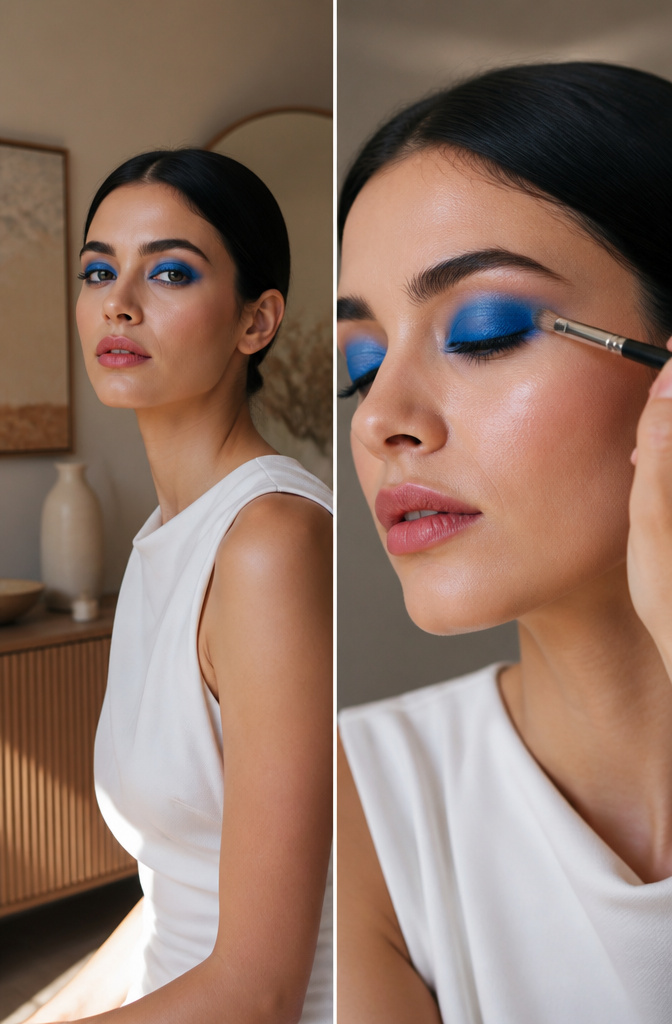
The first time I wore a cobalt eye with hot pink lips, a friend asked if I was feeling okay. The second time I paired neon liner with coral blush and a red lip, I caught my own reflection and understood the problem. One feature gets the color, everything else stays neutral. That is the rule now.
Choosing which feature carries the look depends on what I am wearing and where I am going. A busy print or strong jewelry means the eyes get a quiet wash of color and the lips stay in the nude family. A plain black or white top gives me license to go loud on the mouth. Evening events let me push the eyes further than daytime meetings ever would.
The monochrome exception exists for a reason. A single bright used across eyes, cheeks, and lips, but in matching tones, reads as intentional rather than accidental. I have broken the one-feature rule exactly three times, and each time it was with one color family head to toe.
Neutrals are not the absence of color. A warm brown, a muted taupe, a soft rose, these give the bright something to push against. Without that contrast, the vivid shade loses its punch and just looks loud.

LASTING EYELINER: Rich color looks freshly applied all day long; transfer-proof, waterproof, smudge-proof and fade-proof

ALL-DAY WATERPROOF WEAR: Smudge proof, transfer proof, fade proof gel eyeliner pencil stays put for up to 10 hours without smearing or fading, for long lasting, definition day or night.

Maybelline Tattoo Studio Eyeliner: Delivering smooth lines and intense color, this waterproof eyeliner glides on to deliver intense eye definition in one stroke. This smudge resistant colorful eyeliner lasts 36 hours with no fading
Techniques I Actually Use
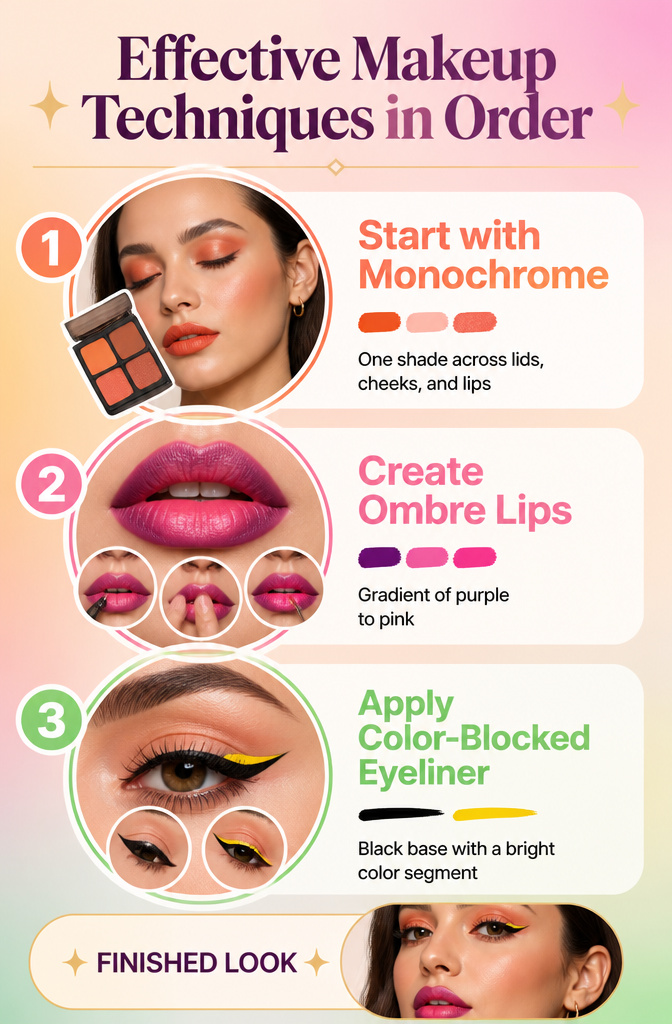
- Monochrome is the one I reach for before coffee. One shade across lids, cheeks, and lips, built from a single palette like the matte orange shadow blended past the crease with a metallic coral patted on top. The harmony does the work; you are not deciding at 7 a.m. whether eggplant fights tangerine.
- Ombre lips were the technique I tried, abandoned, and came back to six months later. The gradient of purple to pink reads as effortful, and it is: liner on the outer edge, blended inward with a finger, brighter color pressed to the center, then another light press to merge the two. The first round, I rushed the blending and the line sat obvious. Second attempt, I gave the liner thirty seconds to set before moving inward. That changed the finish entirely.
- Color-blocked eyeliner demands the steadiest hand and the most time. A standard black base with a bright segment layered over it, kept crisp and separate rather than merged. The payoff is quieter than full neon lid, but the precision is unforgiving. Skip this if you are already running late; the black wing forgives a wobble, the color block does not.

✦ 54 Gorgeous Bright color create the most fascinating looks.✦ 27 vibrant matte + 21 creamy shimmer + 6 bling glitter make your pop eyes, cut-crease, smokey eyes.
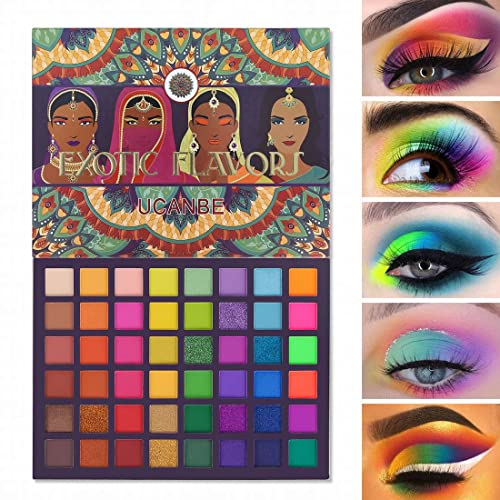
EXOTIC FLAVORS Eye Shadow Plattet:The base color of the packing is matte pale rose gold, embossed with feathers of peacocks,with 4 stylish Indian lady are beautiful combination of exoticism.There’s 48 colors in this makeup kit, It contains 28 matte shades which the most eye-catching is neon color, 11 shimmer shades, 4 satin shades and 5 glitter shades. A lot of different variants in this palette so you can get everything you need.

Eyeshadow Palette: This professional level makeup palette features 16 vegan, pigmented shadows that glide onto lids and make eyes pop with color; Use with NYX Professional Makeup eyeshadow primer for bolder, longer lasting color